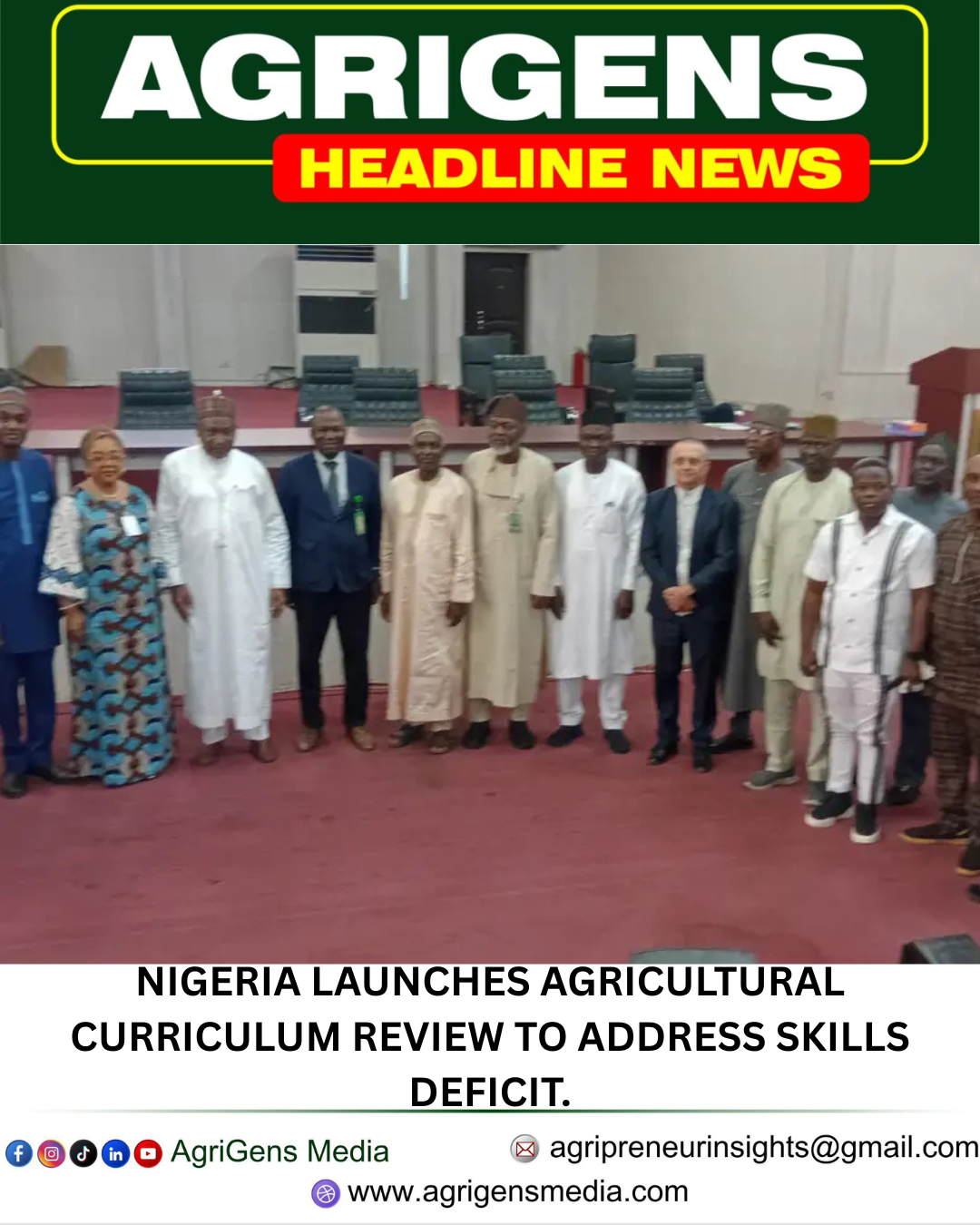
The Federal Government has commenced a comprehensive review of Nigeria’s agricultural curriculum as part of efforts to bridge the skills gap and align education with the evolving needs of the agricultural sector.
Officials disclosed that the initiative is designed to modernise agricultural education, ensuring that graduates are equipped with practical, industry-relevant skills required to drive productivity, innovation, and agribusiness development.
According to the government, the review will involve collaboration with universities, polytechnics, research institutions, private sector stakeholders, and development partners, to ensure that the updated curriculum reflects current realities and global best practices.
Key areas of focus include the integration of modern farming technologies, digital agriculture, climate-smart practices, agribusiness management, and value chain development into teaching and training programmes. This is aimed at producing graduates who are not only knowledgeable but also capable of applying their skills in real-world settings.
Stakeholders noted that one of the major challenges facing Nigeria’s agricultural sector is the disconnect between academic training and practical application, which has limited the effectiveness of graduates in addressing industry needs.
The curriculum review is also expected to place greater emphasis on hands-on training, internships, and entrepreneurship, encouraging students to pursue careers in agriculture and agribusiness. This approach is intended to reduce unemployment and promote youth participation in the sector.
In addition, the initiative will address emerging issues such as climate change, sustainability, food systems, and innovation, ensuring that Nigeria’s agricultural workforce is prepared to tackle future challenges.
Experts have welcomed the move, describing it as a critical step toward building a skilled and competent workforce capable of transforming the agricultural sector and enhancing food security.
However, they emphasized the need for adequate funding, infrastructure, and capacity building for educators, to ensure effective implementation of the revised curriculum.
The government reaffirmed its commitment to strengthening human capital development in agriculture, noting that investing in education is key to achieving long-term sectoral growth and economic diversification.
With the launch of the curriculum review, Nigeria is positioning itself to develop a new generation of skilled agricultural professionals, capable of driving innovation, improving productivity, and supporting sustainable development.