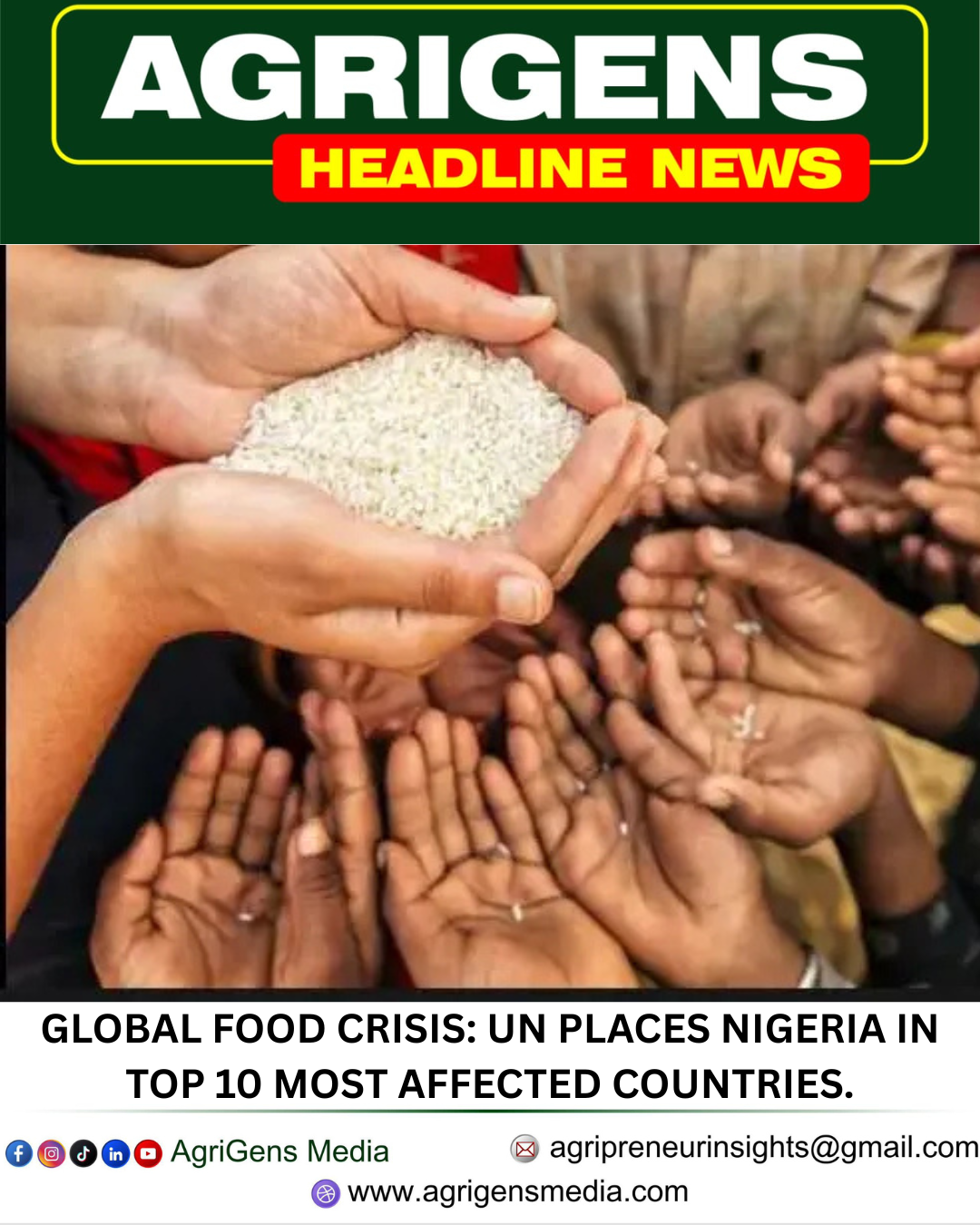
Nigeria has been listed among the top 10 countries most affected by the global food crisis, according to recent assessments by the United Nations, raising concerns over food security and the growing vulnerability of millions of households.
The report highlights that a combination of conflict, economic pressures, climate change, and supply chain disruptions has significantly worsened food insecurity in the country. These factors have contributed to rising food prices, reduced access to nutritious food, and increased levels of hunger.
According to the findings, insecurity in key farming regions has disrupted agricultural activities, forcing many farmers to abandon their farmlands and reducing overall food production. This has had a direct impact on supply, further driving up prices in local markets.
The report also points to the effects of inflation and currency fluctuations, which have increased the cost of food imports and agricultural inputs, placing additional strain on both producers and consumers.
Climate-related challenges, including flooding, droughts, and erratic rainfall patterns, have further compounded the situation, leading to crop losses and reduced yields across several regions.
The United Nations emphasized that millions of Nigerians are facing varying degrees of food insecurity, with vulnerable groups such as women, children, and internally displaced persons being the most affected.
Humanitarian agencies have called for urgent action to address the crisis, including increased investment in agricultural production, social protection programmes, and emergency food assistance.
Experts stressed the need for long-term solutions that address the root causes of food insecurity, such as infrastructure deficits, limited access to finance, and weak value chains. Strengthening resilience through climate-smart agriculture and improved storage systems was also highlighted as critical.
The report underscores the importance of coordinated efforts between government, development partners, and the private sector to mitigate the impact of the crisis and support affected populations.
While acknowledging ongoing interventions, stakeholders warned that without sustained and targeted action, the situation could worsen, further threatening food availability, affordability, and national stability.
The inclusion of Nigeria among the most affected countries serves as a call to action for stakeholders to intensify efforts toward building a resilient and sustainable food system capable of withstanding global shocks.