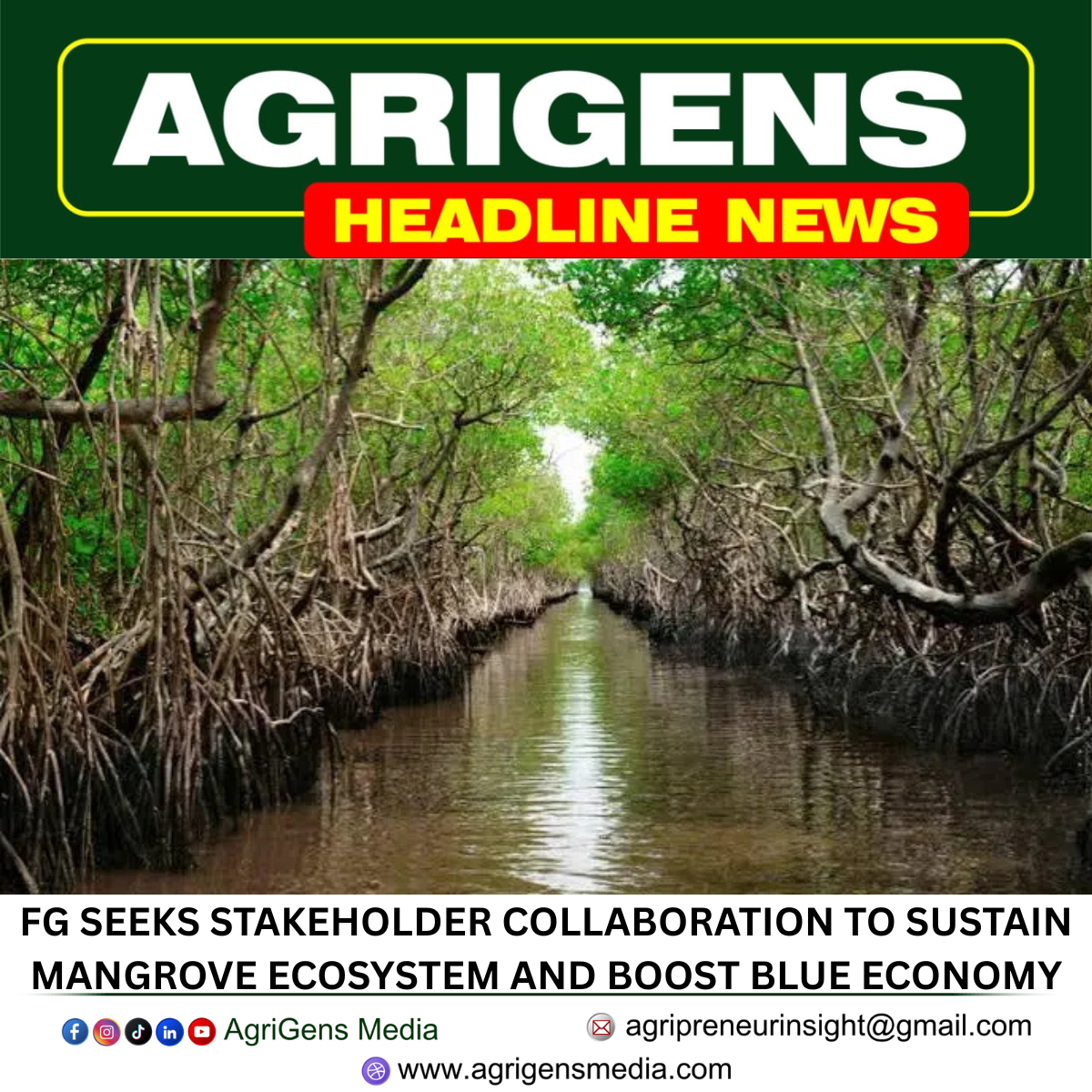
The Federal Government has reaffirmed its commitment to collaborating with stakeholders to ensure the sustainability of Nigeria’s mangrove ecosystem and promote climate-resilient livelihoods as part of efforts to strengthen the country’s blue economy.
The Minister of Environment, Balarabe Lawal, made this known during a workshop on the final evaluation and closure of the UK PACT–United Nations Food and Agriculture Organization (FAO) Project held in Abuja on Tuesday.
The workshop, themed “Sustaining Integrated Mangrove Ecosystem Management in Nigeria: From Achievements to Future Pathways,” marked the conclusion of the project, which focused on the integrated management of mangrove ecosystems and the expansion of social protection for fisheries and forest-dependent communities in coastal areas of Cross River State.
Speaking at the event, the minister emphasized the importance of preserving mangrove ecosystems due to their role in biodiversity conservation, climate change mitigation and the protection of coastal communities from environmental degradation.
Lawal noted that sustainable management of mangrove forests would also create economic opportunities through fisheries, eco-tourism and other blue economy activities capable of improving livelihoods and supporting national development.
He stressed the need for continued collaboration among government agencies, development partners, local communities and environmental stakeholders to build on the achievements recorded under the project.
According to the minister, promoting climate-resilient livelihoods and strengthening social protection mechanisms for vulnerable coastal populations remain critical to ensuring long-term environmental sustainability.
Stakeholders at the workshop highlighted the importance of maintaining the momentum created by the project and called for increased investment in conservation initiatives and community-based natural resource management.
The Federal Government reiterated its determination to advance policies and programmes that support ecosystem restoration, climate resilience and sustainable economic growth through the development of Nigeria’s blue economy.