Nigeria is exploring stronger collaboration with Nestlé to boost local agricultural supply chains, reduce import dependency and expand market opportunities for Nigerian farmers in the dairy, onion and cereal sectors.
The initiative aligns with the Federal Government’s broader strategy to increase domestic production, promote industrialisation and strengthen food security through strategic private-sector partnerships.
The high-level meeting brought together representatives of Nestlé, government officials and stakeholders from the Food and Agriculture Organization of the United Nations (FAO) to explore practical strategies for increasing local production and strengthening linkages between farmers, processors and industrial buyers.
Discussions focused on identifying supply chain challenges and developing sustainable models that would benefit smallholder farmers and large-scale industrial off-takers such as Nestlé.
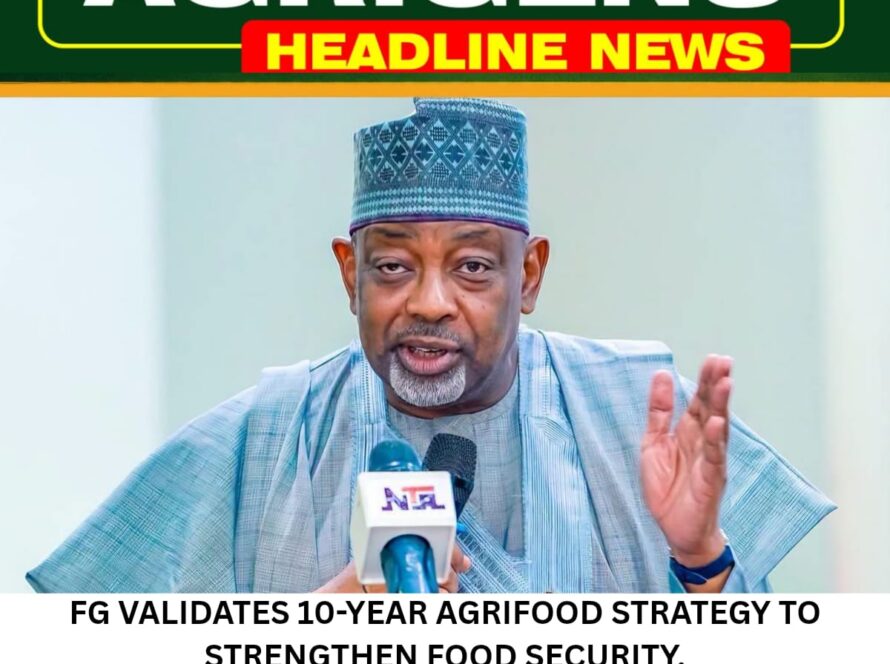
Leading the Nigerian delegation, the Minister of Agriculture and Food Security, Senator Abubakar Kyari, CON, emphasised the need to reduce dependence on imports by investing in local agricultural production and industrialisation, particularly in the livestock sector.
Kyari noted that Nigeria spends substantial foreign exchange on importing dairy products and other agricultural raw materials that could be produced locally, stressing that reversing the trend remains central to President Bola Ahmed Tinubu’s food security agenda.
He reaffirmed the ministry’s readiness to support partnerships that would improve agricultural productivity, strengthen backward integration and create employment opportunities for young people and women in rural communities.
During the meeting, Nestlé disclosed that it currently imports most of its dairy ingredients due to inadequate local supply. However, the company said it was testing a dairy demonstration farm model that had significantly increased milk production within its area of operation.
According to the company, the initiative has shown promising results and could be expanded with adequate technical support, access to quality animal feed and stronger collaboration with local dairy cooperatives.
The discussions also highlighted opportunities to develop local feed inputs, including alfalfa and other high-protein forages, to improve milk yields and reduce the cost of dairy production in Nigeria.
Nestlé further stressed the importance of strengthening technical support for farmers through training in good animal husbandry practices, milk handling and quality control to establish a competitive domestic dairy industry.
Beyond the dairy sector, the company expressed interest in expanding its local sourcing of onions for its Maggi products while maintaining its existing procurement of maize and other cereals for brands such as Golden Morn.
The meeting also explored opportunities to connect Nestlé’s technical teams with government programmes, FAO and World Bank-supported dairy initiatives, as well as emerging agro-processing zones, to identify areas for investment, technical assistance and capacity building.
Stakeholders emphasised the importance of aligning private-sector investments with government policies and development-partner initiatives to accelerate the development of local agricultural supply chains, strengthen market access for farmers and create sustainable livelihoods across rural communities.