The Federal Government has officially endorsed a decade-long National Veterinary Plan aimed at transforming Nigeria’s livestock sector through improved animal health systems, enhanced productivity, and strengthened disease control mechanisms.
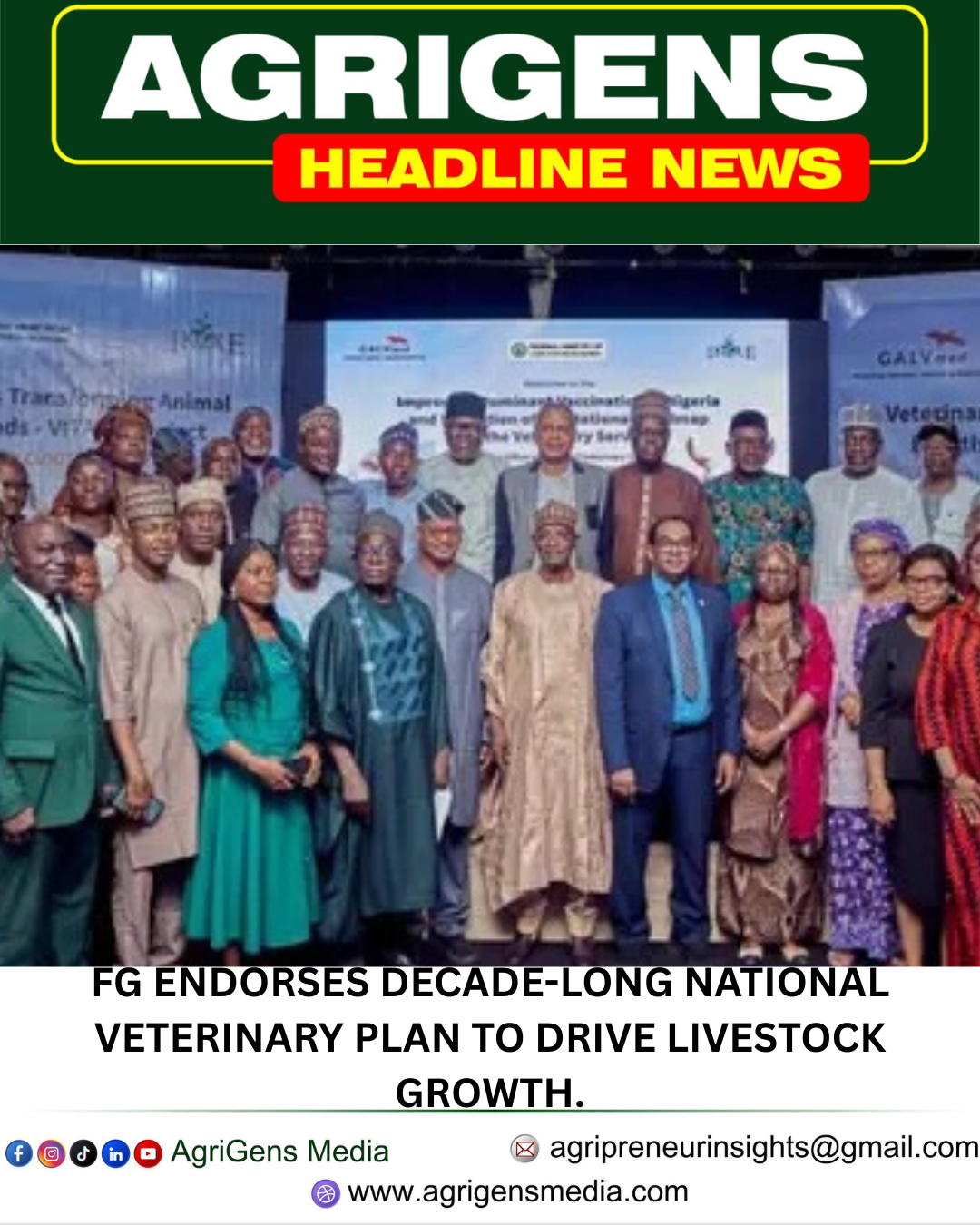
The comprehensive plan, which will be implemented over a ten-year period, is designed to reposition veterinary services as a critical pillar of livestock development, supporting the growth of meat, dairy, poultry, and other animal-based industries.
According to government officials, the strategy focuses on strengthening institutions such as the Federal Department of Veterinary and Pest Control Services, ensuring they are better equipped to deliver efficient and coordinated animal health services nationwide.
Key components of the plan include the expansion of veterinary infrastructure, such as clinics, laboratories, and diagnostic centres, as well as the improvement of disease surveillance and early warning systems.
Authorities also emphasized the importance of scaling up vaccination programmes and biosecurity measures, targeting major livestock diseases that continue to affect productivity and farmer incomes.
The plan prioritises capacity building for veterinary professionals, including training, recruitment, and the adoption of modern technologies to improve service delivery and response to animal health challenges.
In addition, the initiative aims to promote public-private partnerships, encouraging collaboration between government agencies, private veterinarians, research institutions, and international organisations.
Stakeholders noted that a well-structured veterinary system is essential for ensuring food safety, public health, and export competitiveness, particularly as Nigeria seeks to expand its presence in global livestock markets.
Experts also highlighted the role of veterinary services in controlling zoonotic diseases, which can be transmitted from animals to humans, thereby strengthening national health security.
However, challenges such as funding constraints, infrastructure gaps, and uneven service coverage were identified as key issues that must be addressed to ensure successful implementation.
The Federal Government reaffirmed its commitment to supporting the livestock sector through policy reforms, investment, and institutional strengthening, noting that veterinary services are central to achieving sustainable growth.
With the endorsement of the decade-long plan, Nigeria is taking a strategic step toward building a resilient, productive, and globally competitive livestock industry.