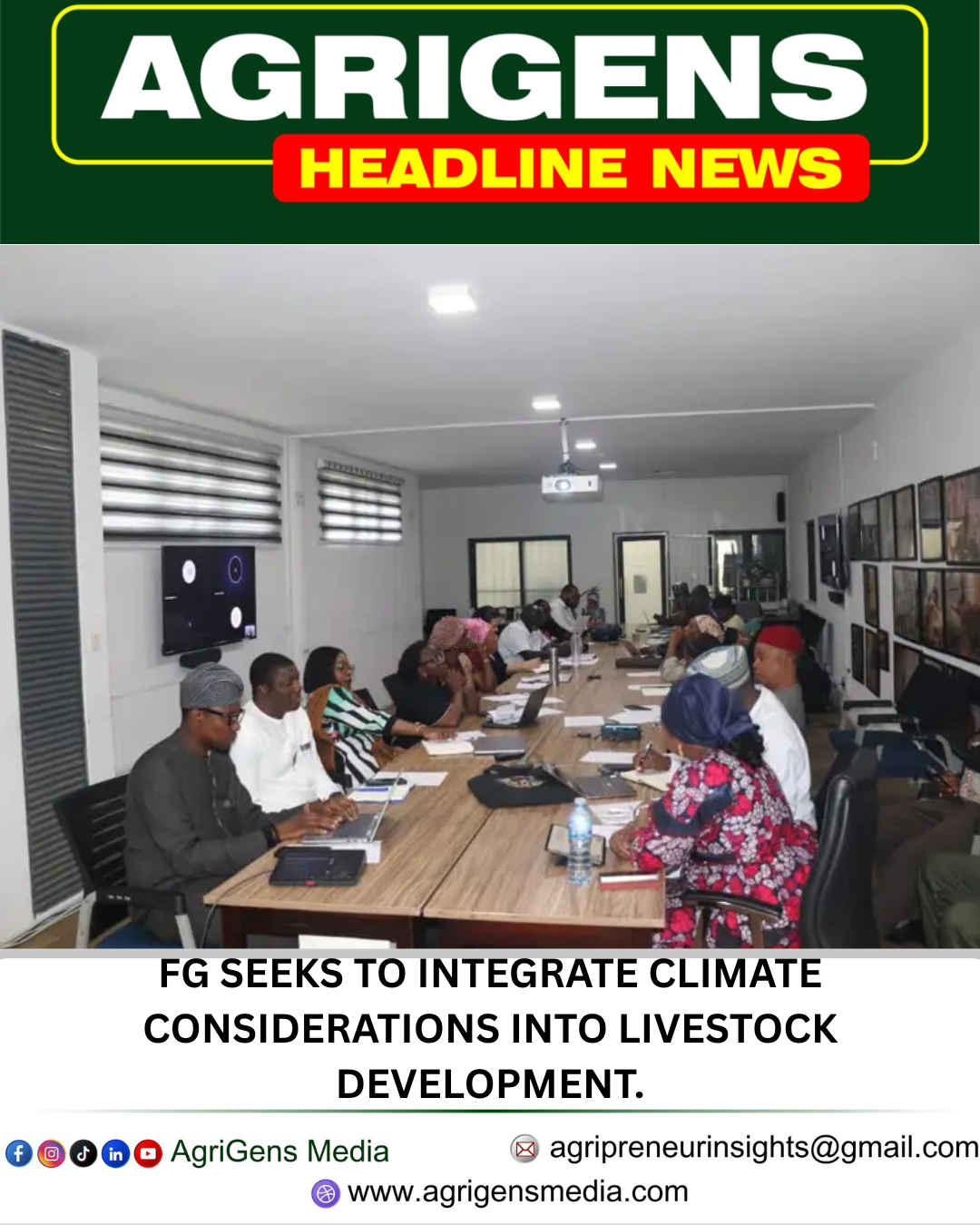
The Federal Government has announced plans to integrate climate considerations into livestock development policies and programmes, in a move aimed at building a more resilient and sustainable livestock sector in Nigeria.
Officials disclosed that the initiative is designed to address the growing impact of climate change on livestock production, including rising temperatures, changing rainfall patterns, pasture degradation, and increased incidence of diseases.
According to the government, incorporating climate factors into livestock planning will help improve adaptation strategies, risk management, and long-term productivity within the sector.
Key areas of focus include the promotion of climate-smart livestock practices, such as improved grazing management, development of drought-resistant fodder, water conservation techniques, and better housing systems to reduce heat stress on animals.
The government also plans to strengthen early warning systems and climate information services, working closely with agencies like the Nigerian Meteorological Agency to provide farmers and herders with timely data to guide their operations.
In addition, there are efforts to enhance research and innovation, particularly in developing resilient livestock breeds that can withstand changing environmental conditions.
Stakeholders emphasized the importance of capacity building and awareness, ensuring that farmers and pastoralists understand the risks associated with climate change and adopt appropriate mitigation and adaptation measures.
The initiative also aligns with broader environmental goals, including reducing greenhouse gas emissions from livestock production and promoting sustainable land use practices.
Experts noted that integrating climate considerations into livestock development is essential for safeguarding food security, rural livelihoods, and economic stability, especially in the face of increasing environmental challenges.
However, challenges such as limited funding, infrastructure gaps, and the need for coordinated implementation were identified as potential obstacles that must be addressed.
The Federal Government reaffirmed its commitment to developing a livestock sector that is resilient, productive, and environmentally sustainable, capable of meeting the country’s growing demand for animal protein.
With this initiative, Nigeria is taking a proactive step toward ensuring that livestock development is aligned with climate realities and long-term sustainability goals.