The Federal Ministry of Livestock Development has called for the livestock sector to be prioritised in the implementation of Nigeria’s Draft Agrifood System Strategy and Action Plan (2026–2035), describing it as a key driver of economic growth, food and nutrition security, job creation and rural development.
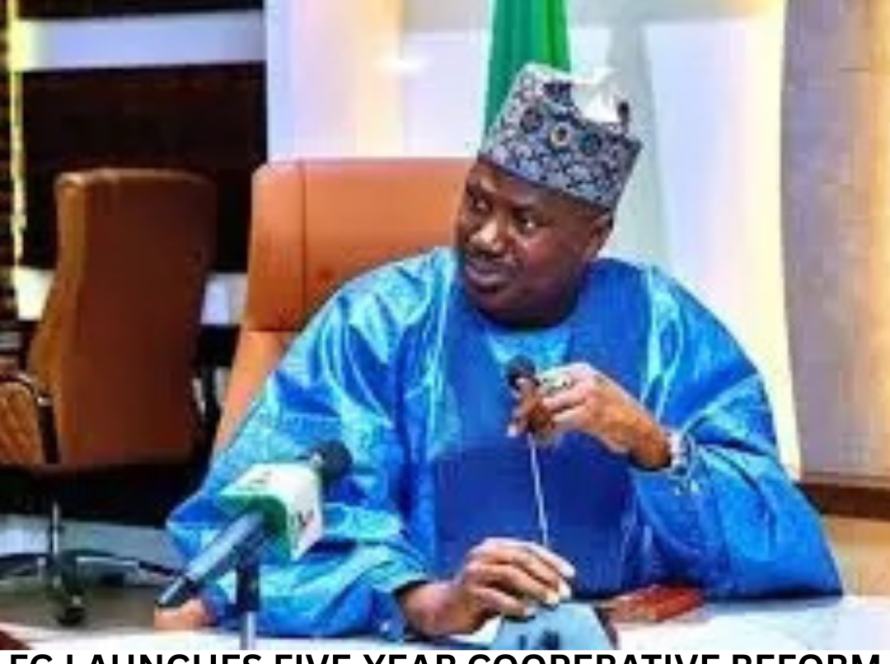
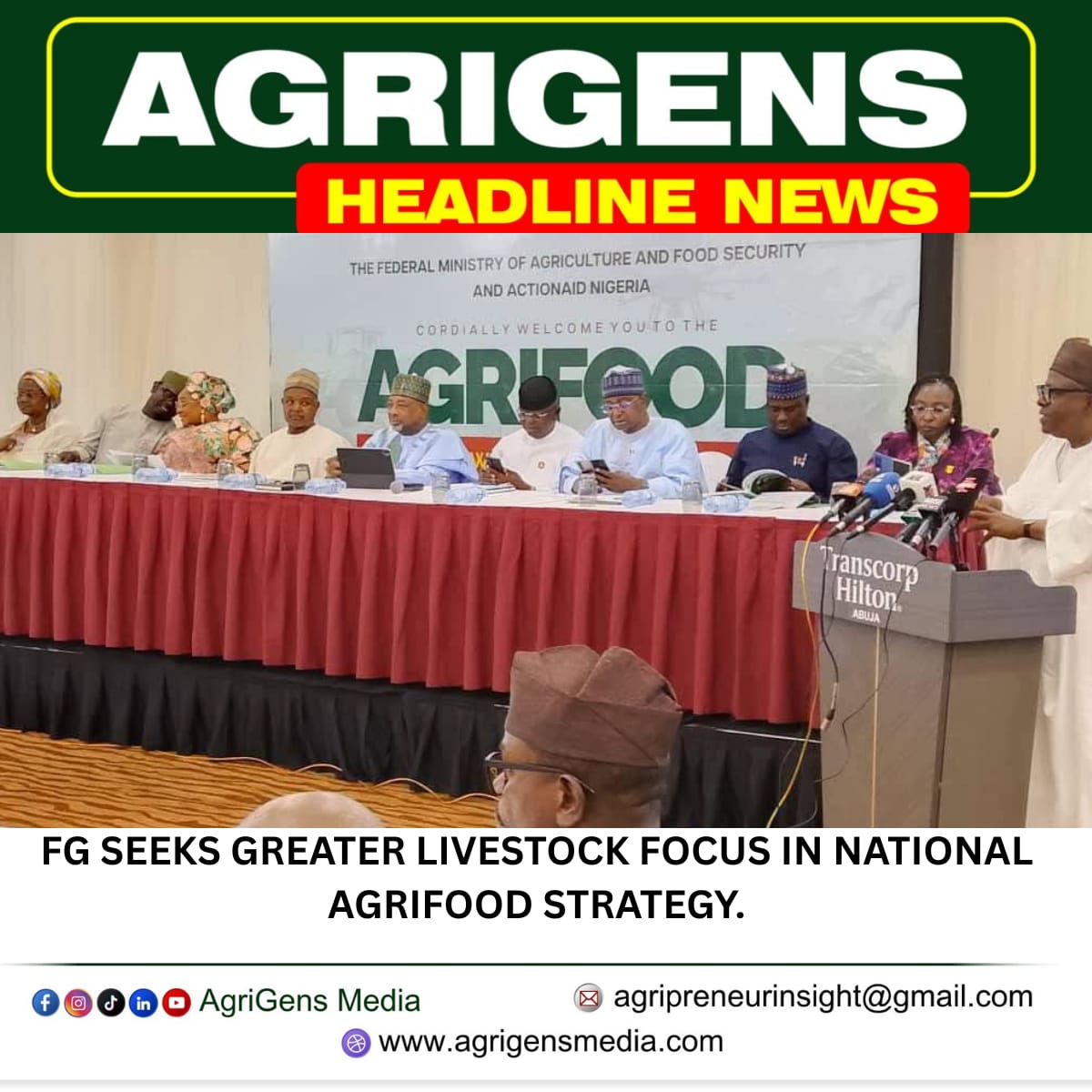
The Minister of Livestock Development, Idi Mukhtar Maiha, made the call on Thursday, 23rd july, 2026, during the High-Level Briefing on the Draft Nigeria Strategy and Action Plan for implementing the Comprehensive Africa Agriculture Development Programme (CAADP) Kampala Declaration (2026–2035) in Abuja.
The strategy, developed by the Federal Ministry of Agriculture and Food Security, is a proposed 10-year roadmap aimed at transforming Nigeria’s agrifood system in line with the African Union’s Kampala Declaration and President Bola Ahmed Tinubu’s Renewed Hope Agenda.
Commending the initiative, Maiha stressed that livestock should no longer be treated as a supporting component of agriculture but recognised as a strategic sector capable of driving inclusive economic growth, reducing poverty and strengthening the country’s agrifood system.
He called for increased investment in animal health services, livestock genetic improvement through Artificial Insemination and Embryo Transfer programmes, as well as sustainable rangeland management to improve productivity and resilience.
The minister also advocated stronger livestock value chains through investments in meat and dairy processing, poultry development, livestock markets, cold-chain infrastructure, transportation and value addition. According to him, these interventions would attract private investment, create employment opportunities and improve producers’ incomes.
Unveiling the strategy, the Minister of Agriculture and Food Security, Senator Abubakar Kyari, said President Bola Ahmed Tinubu had directed the ministry to develop a long-term, bankable and implementable roadmap to reposition Nigeria’s agrifood sector in line with the African Union’s Kampala Declaration.
Kyari explained that the strategy was developed through extensive consultations and validation meetings across the six geopolitical zones and at the national level to ensure broad stakeholder participation and ownership.
He said the document would be presented to the Federal Executive Council (FEC) for approval after stakeholders’ adoption, adding that Ministries, Departments and Agencies would subsequently align their programmes and budgets with its priorities.
According to him, the strategy is designed to increase agricultural productivity, expand intra-African agricultural trade, reduce post-harvest losses, improve access to nutritious food, reduce poverty and attract greater investment into Nigeria’s agrifood sector, noting that effective governance would be essential to achieving these goals.
Also speaking, ActionAid Nigeria’s Food Systems Specialist, Azubike Nwokoye, urged increased public investment in agriculture. He revealed that the combined 2026 agricultural budget allocation of the 36 states and the Federal Capital Territory stands at 4.58 per cent, below the African Union’s 10 per cent benchmark under the Maputo, Malabo and Kampala Declarations.
Presenting findings from ActionAid’s agricultural expenditure dashboard, Nwokoye said full implementation of the 2026 agricultural budgets by states could generate about 1.4 million direct jobs, while projected Federal Government spending could create an additional 2.1 million jobs, bringing the total to approximately 3.5 million direct jobs nationwide.
The briefing brought together representatives of the Federal Ministries of Budget and Economic Planning, Water Resources, Women Affairs, Health and Environment, development partners, research institutions, civil society organisations and other stakeholders to review the draft strategy ahead of its submission to the Federal Executive Council for approval.