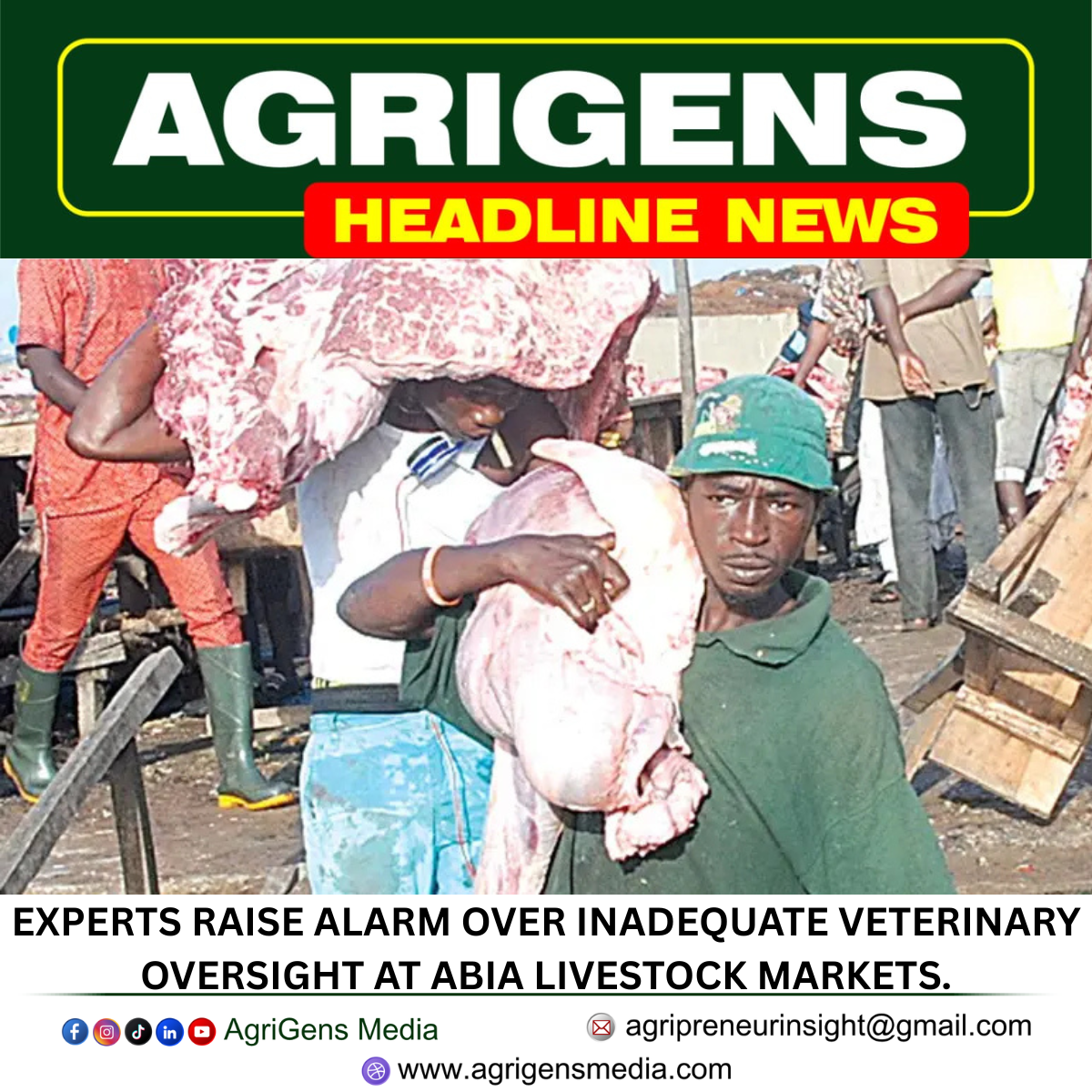
Concerns have been raised over the movement of unhealthy livestock into markets in Abia State, following reports of inadequate veterinary facilities and personnel needed to properly inspect animals before they are sold for human consumption.
The warning was issued by the Leader of the Tsetse Fly Surveillance and Control Project, Gilbert Okoro, after a verification exercise conducted across the state’s three senatorial districts.
According to Okoro, the assessment revealed significant gaps in animal health regulation, particularly at the Lokpanta Cattle Market, widely regarded as the largest livestock trading centre in southern Nigeria.
He explained that findings from the exercise showed that diseased animals often enter the market due to the shortage of veterinary clinics and insufficient veterinary officers to carry out routine inspections, disease surveillance and certification.
Okoro called on the Abia State Government to establish functional veterinary clinics in each of the state’s three senatorial districts, noting that additional state-owned facilities would strengthen disease detection, improve livestock monitoring and enhance food safety.
While commending Governor Alex Otti for ongoing reforms in the health sector, he cautioned that inadequate veterinary oversight at major livestock markets could undermine public health if diseased animals continue to enter the food chain.
The project leader also described as unfortunate the decision not to site the federal veterinary clinic originally approved for Abia at the strategically important Lokpanta Cattle Market, arguing that the market requires permanent veterinary supervision due to its scale and commercial significance.
He explained that the Federal Ministry of Livestock Development is currently providing only one veterinary clinic to each state and urged the Abia State Government to complement the federal intervention by establishing additional veterinary facilities.
Okoro expressed appreciation to the state government for supporting the surveillance exercise and encouraged other states to provide similar support to strengthen disease surveillance and protect public health.
During an earlier inspection of the market, Veterinary Technician Chimobi Ebisike identified several operational and safety concerns, including the absence of a permanent security presence and the lack of a functional veterinary clinic within the livestock market.
According to Ebisike, emergency responses are often delayed because security personnel have to travel from Umuahia whenever incidents occur, allowing problems to escalate before assistance arrives.
He also alleged that some livestock traders administer drugs, including procaine penicillin, to weak or sick animals to temporarily improve their appearance and make them seem healthy before offering them for sale.
Ebisike stressed that while monitoring every activity within the expansive market may be challenging, deploying adequate veterinary personnel and establishing a properly equipped veterinary clinic would significantly reduce unsafe practices and improve compliance with animal health regulations.
He further called for increased funding, effective implementation of livestock health programmes and stronger supervision of the Veterinary Department under the Abia State Ministry of Agriculture to safeguard consumers from avoidable health risks associated with contaminated or diseased meat.
Stakeholders noted that strengthening veterinary infrastructure, disease surveillance and meat inspection systems remains essential for protecting public health, improving livestock productivity and enhancing consumer confidence in Nigeria’s livestock value chain.