Nigeria has resumed large-scale imports of U.S. soybeans after a six-year hiatus, with 62,000 tonnes shipped into the country in early 2025 as rising demand for protein continues to outpace domestic production.
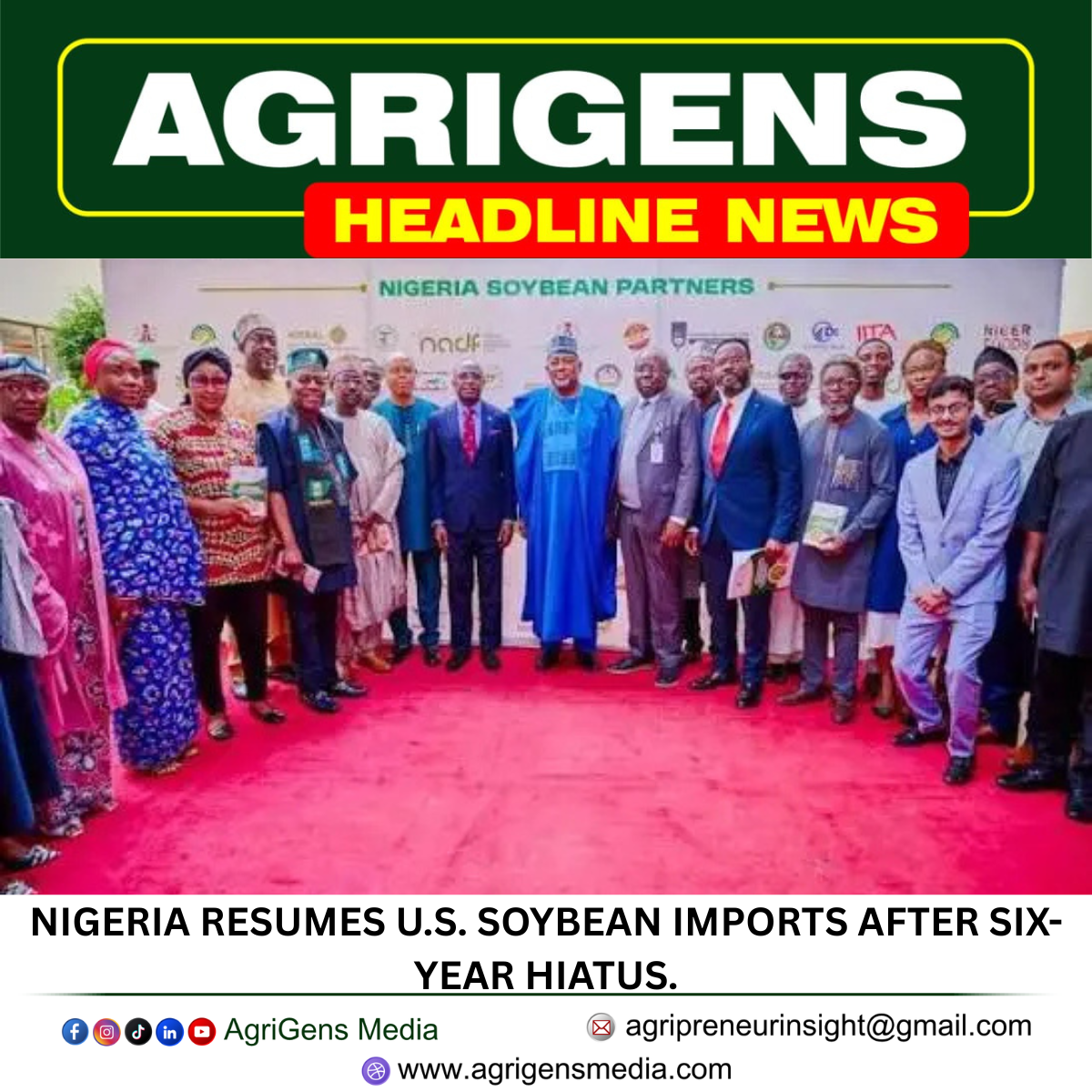
The development was disclosed by Brent Babb, Executive Director of the Soy Excellence Center and Sub-Saharan Africa Lead for the U.S. Soybean Export Council (USSEC), during the USSEC & U.S. Soy Nigeria: Now Conference 2026 held in Lagos.
According to Babb, the return of U.S. soybean exports to Nigeria reflects the country’s growing demand for high-quality protein sources, particularly for the livestock, poultry and aquaculture industries, where soybean is a key ingredient in animal feed.
He explained that domestic soybean production has not kept pace with increasing consumption, creating a supply gap that has necessitated imports to meet the needs of feed manufacturers and food processors.
Babb noted that the renewed trade relationship presents opportunities for deeper collaboration between Nigeria and the United States in soybean production, processing, research and capacity building.
He emphasized the importance of improving local soybean productivity through the adoption of improved seed varieties, modern farming practices and enhanced value chain development to reduce dependence on imports over the long term.
Stakeholders at the conference highlighted the critical role of soybeans in supporting food security, livestock development and the growth of Nigeria’s agribusiness sector, particularly as demand for poultry, fish and dairy products continues to rise.
They also called for increased investment in local soybean production, processing infrastructure and farmer support programmes to strengthen domestic supply and improve the competitiveness of Nigeria’s soybean industry.
The resumption of U.S. soybean imports underscores the widening gap between local production and national demand, while reinforcing the need for sustained investment in Nigeria’s soybean value chain to achieve long-term self-sufficiency and support the country’s expanding agricultural and livestock sectors.