The Federal Government has reiterated its commitment to strengthening and repositioning veterinary services across Nigeria as part of broader efforts to improve livestock productivity, safeguard animal health, and enhance food security.
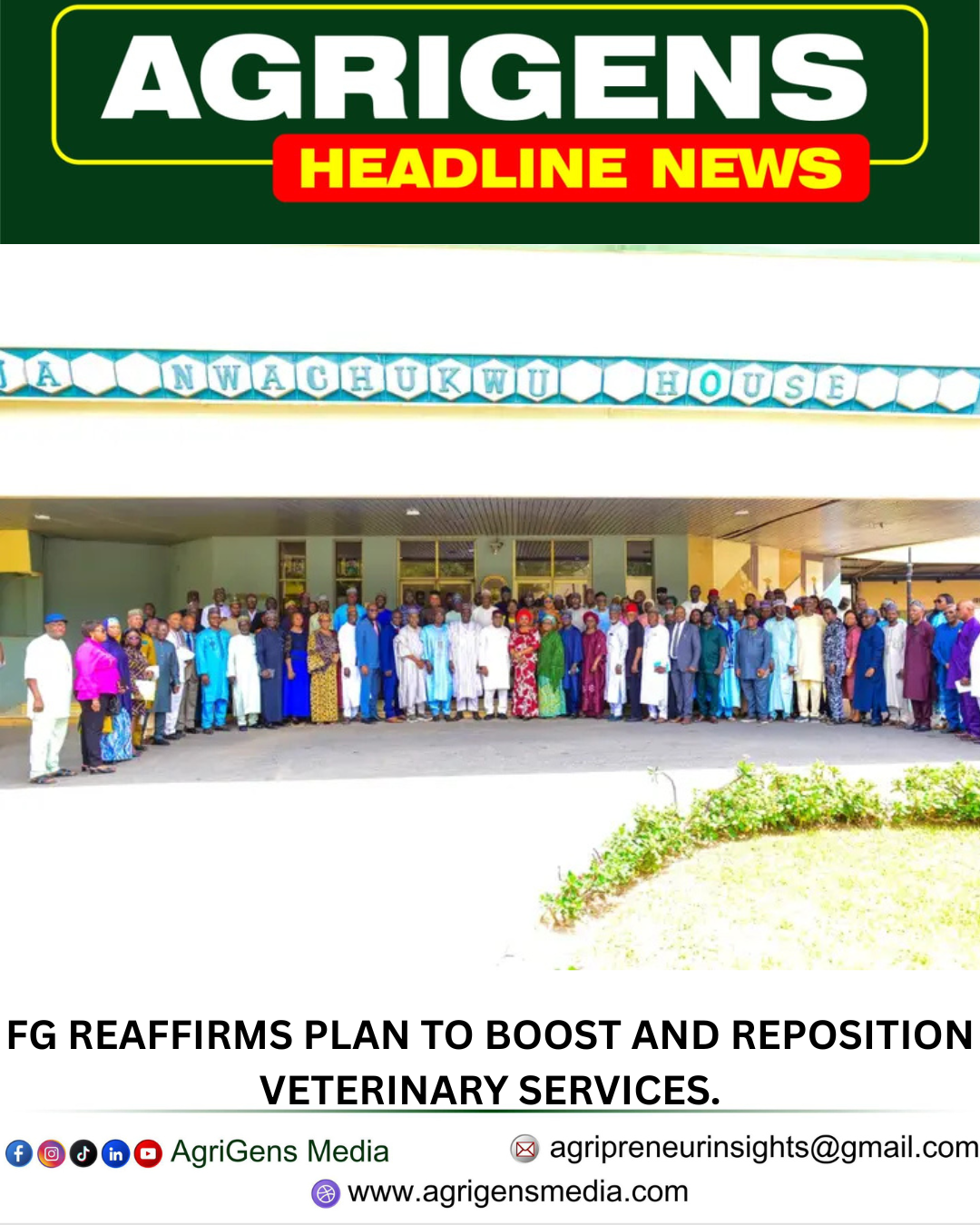
Officials disclosed that the reform agenda is aimed at addressing long-standing gaps in the veterinary system, including inadequate infrastructure, shortage of personnel, and limited access to animal health services, particularly in rural and livestock-producing communities.
According to the government, a strong veterinary system is critical to preventing and controlling animal diseases, improving livestock productivity, and ensuring the safety of animal products consumed by the public.
The initiative will focus on upgrading veterinary hospitals, laboratories, and diagnostic centres, as well as improving disease surveillance and response systems nationwide.
Authorities also plan to strengthen vaccination programmes and routine animal health interventions, targeting major livestock diseases that continue to affect cattle, poultry, goats, and sheep production.
In addition, the government is working to enhance training and capacity building for veterinary professionals, ensuring they are equipped with modern skills and technologies required for effective service delivery.
Stakeholders noted that improved veterinary services will play a key role in supporting the broader livestock transformation agenda, including efforts to boost meat and dairy production, reduce losses, and improve market confidence in animal products.
Experts emphasized that animal health is directly linked to food safety, public health, and economic stability, making investment in veterinary services a national priority.
The reform is also expected to support the control of zoonotic diseases—those that can be transmitted from animals to humans—thereby strengthening Nigeria’s overall public health security framework.
However, stakeholders pointed out challenges such as funding constraints, limited coverage in rural areas, and inadequate enforcement of animal health regulations, which must be addressed for the reforms to be effective.
The Federal Government reaffirmed its commitment to building a modern, efficient, and accessible veterinary system capable of supporting a productive and resilient livestock sector.
With the planned improvements, Nigeria aims to ensure better animal health management, increased livestock output, and stronger protection for both farmers and consumers.