Nigeria’s National Assembly of Nigeria has pledged to increase budgetary allocation toward addressing post-harvest challenges, in a move aimed at reducing food losses, improving supply chains, and strengthening national food security.
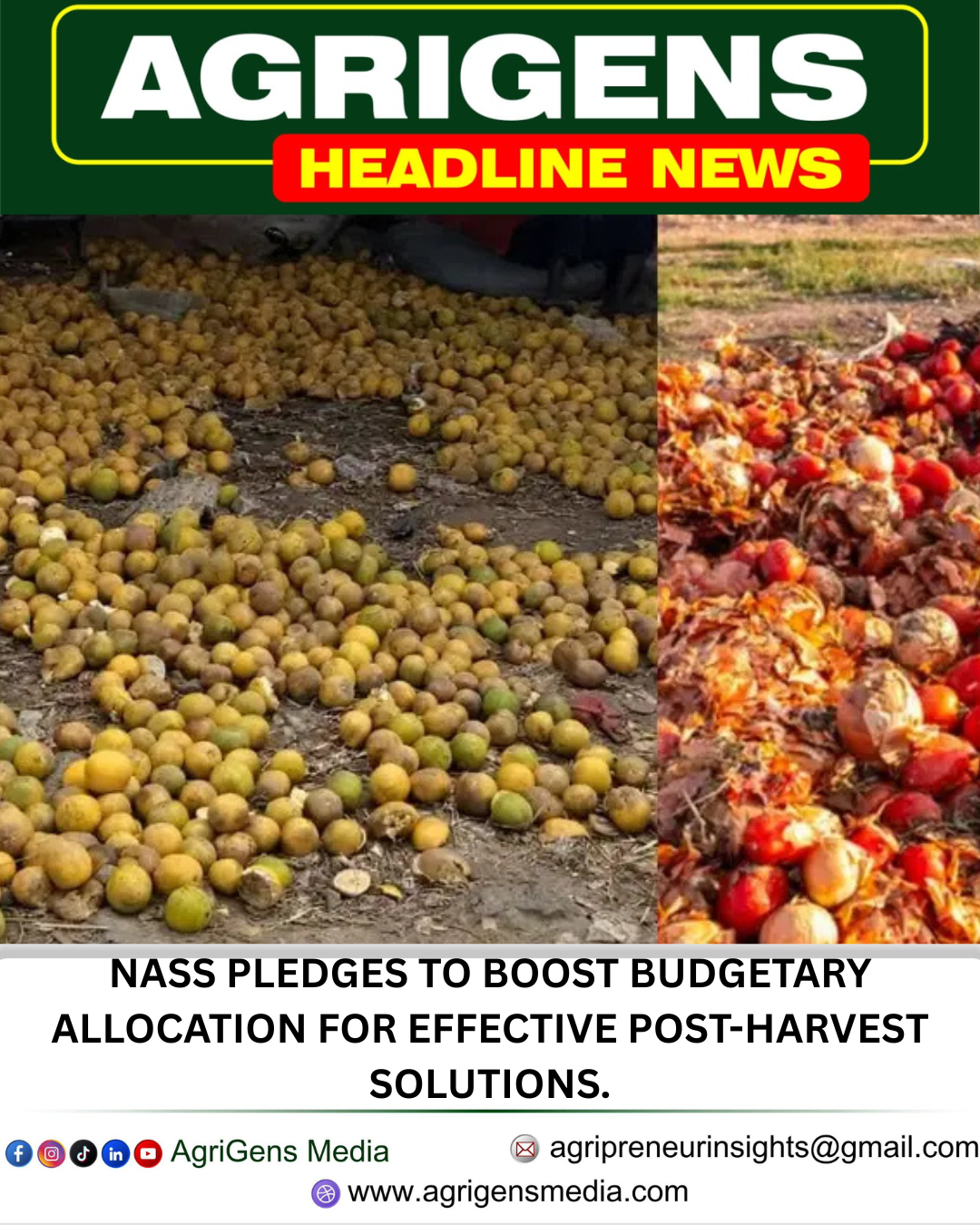
Lawmakers made the commitment during a stakeholders’ engagement, emphasizing that post-harvest losses remain a major constraint in Nigeria’s agricultural sector, with significant quantities of produce lost due to poor storage, inadequate processing, and weak distribution systems.
According to the Assembly, boosting funding for post-harvest solutions is critical to ensuring that the gains from increased agricultural production are not undermined by inefficiencies along the value chain.
The proposed funding increase will focus on the development of modern storage facilities, cold chain systems, processing centres, and transportation infrastructure, all of which are essential for preserving the quality and quantity of agricultural produce.
Stakeholders noted that Nigeria loses a substantial percentage of its agricultural output annually, particularly perishable commodities such as fruits, vegetables, and grains, due to lack of adequate preservation and handling systems.
Lawmakers stressed that addressing these losses will not only improve food availability but also enhance farmers’ incomes, price stability, and overall market efficiency.
In addition, the Assembly highlighted the importance of supporting research and innovation in post-harvest technologies, including improved packaging, drying methods, and storage solutions suited to local conditions.
Experts welcomed the commitment, noting that effective post-harvest management can significantly reduce waste, increase value addition, and boost export potential.
However, they emphasized the need for transparent implementation, proper monitoring, and collaboration with the private sector, to ensure that allocated funds are effectively utilized.
Stakeholders also called for increased capacity building and awareness programmes to train farmers and agribusiness operators on best post-harvest practices.
The National Assembly reaffirmed its commitment to supporting policies and investments that enhance agricultural productivity and sustainability, noting that reducing post-harvest losses is key to achieving food security and economic growth.
With the planned increase in funding, Nigeria is taking a critical step toward building a more efficient, resilient, and profitable agricultural system.